In 2024, a record 1.17 million international patients traveled to South Korea for medical care, close to double the 610,000 who came the year before, according to the Korea Health Industry Development Institute and the Ministry of Health and Welfare. Dermatology and plastic surgery drew the largest crowds, yet one of the quietest and fastest-moving stories inside that number was dental care, a field where foreign patient visits rose 16 percent in a single year.
For an American weighing a crown, a set of implants, or a full-arch restoration, that shift raises a fair question. Why are so many people flying past their local dentist to sit in a chair in Seoul, and can the same care really cost a fraction of the price at home while still being work they can rely on? The short answer is that the low cost and the high trust come from two separate places, and it helps to look at each on its own rather than treating one as proof of the other.
The Numbers Behind the Trend
The scale of Korea's medical tourism is what makes the trend worth taking seriously. The 1.17 million international patients recorded in 2024 was the highest figure since the country began formally tracking foreign patient arrivals in 2009. Preliminary analysis presented at the 2026 Seoul International Travel Mart for Medical Tourism indicated the total passed 2 million in 2025, a year-over-year increase of roughly 72 percent, though that 2025 figure is an early estimate rather than a final government release.
Dentistry remains a smaller slice of that whole, accounting for about 3.9 percent of foreign medical visits measured by tax-refund value in 2024, but its growth is where the momentum sits. Industry data reported by KED Global showed the number of dental clinics treating foreign patients grew 26 percent year over year in 2024, and payment-platform figures from Creatrip recorded North American dental spending in Korea rising sharply over the same window. Numbers moving that fast usually signal a market catching up to something the people who went first already discovered.
Why the Cost Is Lower
The price gap is real, and the reasons for it are structural rather than a matter of cutting corners. Commonly reported ranges put a single dental implant in the United States at roughly $3,000 to $5,000 or more. In Korea, implant pricing has come down substantially in recent years, with a single implant reported starting from around 300,000 Korean won, roughly $220, and cases that include a bone graft commonly starting from about $800. These are starting market figures rather than a fixed quote, and the final cost of any treatment is determined only after a clinical examination.
| Procedure | USA (Out-of-Pocket) | Korea |
|---|---|---|
| Single dental implant (per tooth) | $3,000 – $5,000+ | from ~$220 (₩300,000) |
| Single implant including bone graft | Varies | from ~$800 |
| Full-arch restoration (per arch) | $20,000 – $40,000+ | $9,000 – $18,000 |
US ranges and full-arch figures reflect published comparison sources; Korean single-implant pricing reflects current industry rates (from about ₩300,000, and from about $800 including a bone graft). Prices are starting figures, vary by provider and case, and are confirmed only after a clinical examination.
Several parts of the Korean system combine to produce that difference:
- A national fee framework. Korea's National Health Insurance sets reference pricing across much of the health system, which keeps a downward pressure on baseline costs that the largely private US market does not have.
- Lower administrative overhead. Korean clinics do not carry the multi-layered insurance-billing apparatus that adds cost inside American practices, so less of every dollar goes to paperwork.
- Density and competition. Seoul's Gangnam district alone holds a high concentration of clinics competing for the same patients, and that competition works in the patient's favor on price.
- A domestic supply chain. Korea is home to large implant manufacturers, and locally produced fixtures and components cost less than imported equivalents, which flows through to the treatment price.
- The exchange rate. A strong US dollar against the Korean won stretches an American patient's budget further before any clinical discount is even considered.
None of these reasons is a claim about quality. They explain why the same category of work is priced differently, and that distinction matters both for accuracy and for setting honest expectations.
Why Patients Trust the Care
Trust is the second half of the decision, and it rests on different ground than price. A patient willing to cross an ocean is buying judgment as much as a procedure, so the relevant question is what the Korean system does that earns that confidence.
Three things come up repeatedly. The first is volume and specialization, since clinics that perform a given procedure at high frequency tend to build deep, repeatable expertise around it. The second is technology adoption, with digital tools such as cone-beam CT imaging, intraoral scanning, computer-guided implant placement, and in-house CAD/CAM fabrication now standard in many Korean clinics, which supports precise planning and, in some cases, same-visit restorations. The third is the training pathway, as every practicing dentist in Korea must pass a national licensing examination, and specialists complete further supervised residency before they practice in their field.
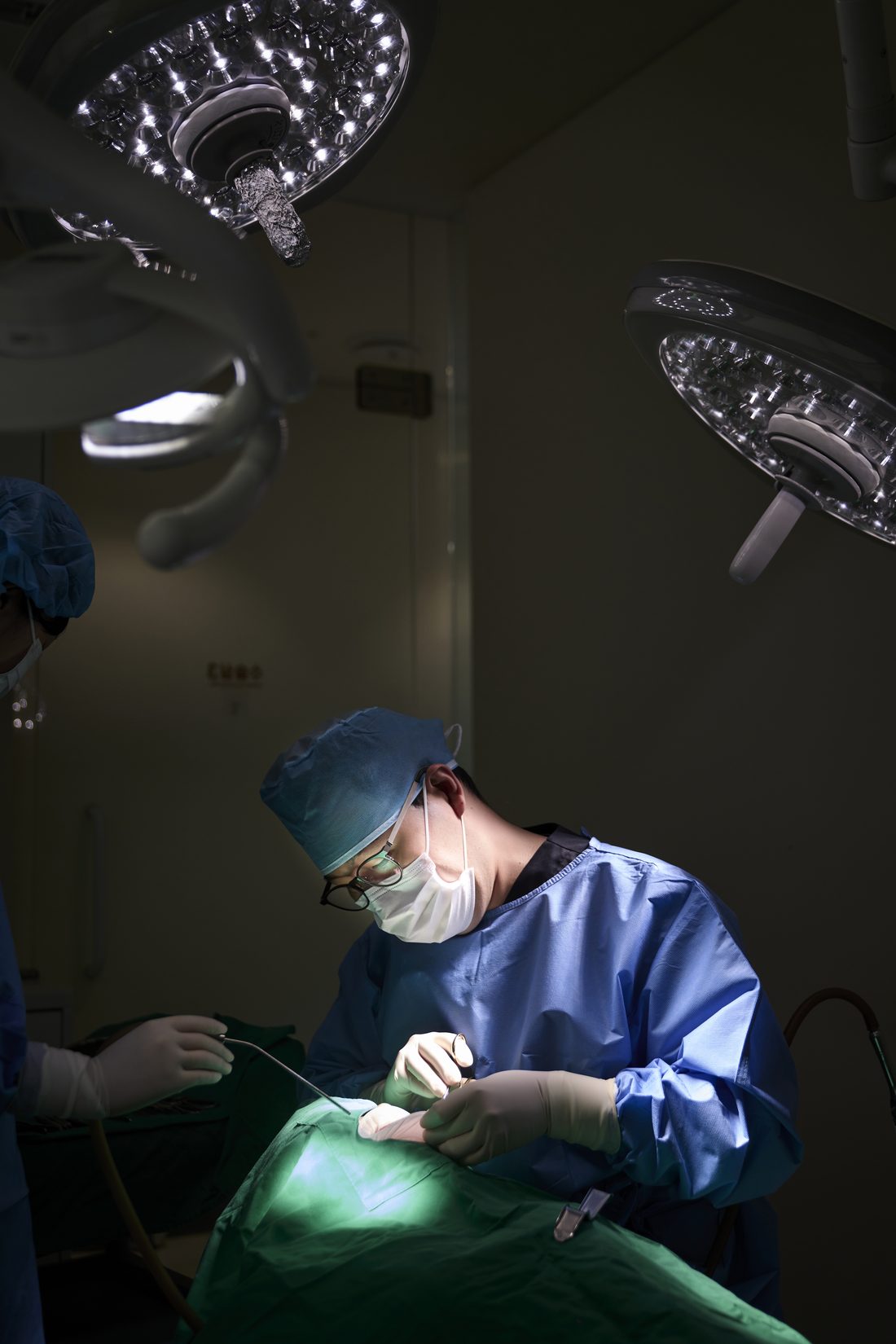
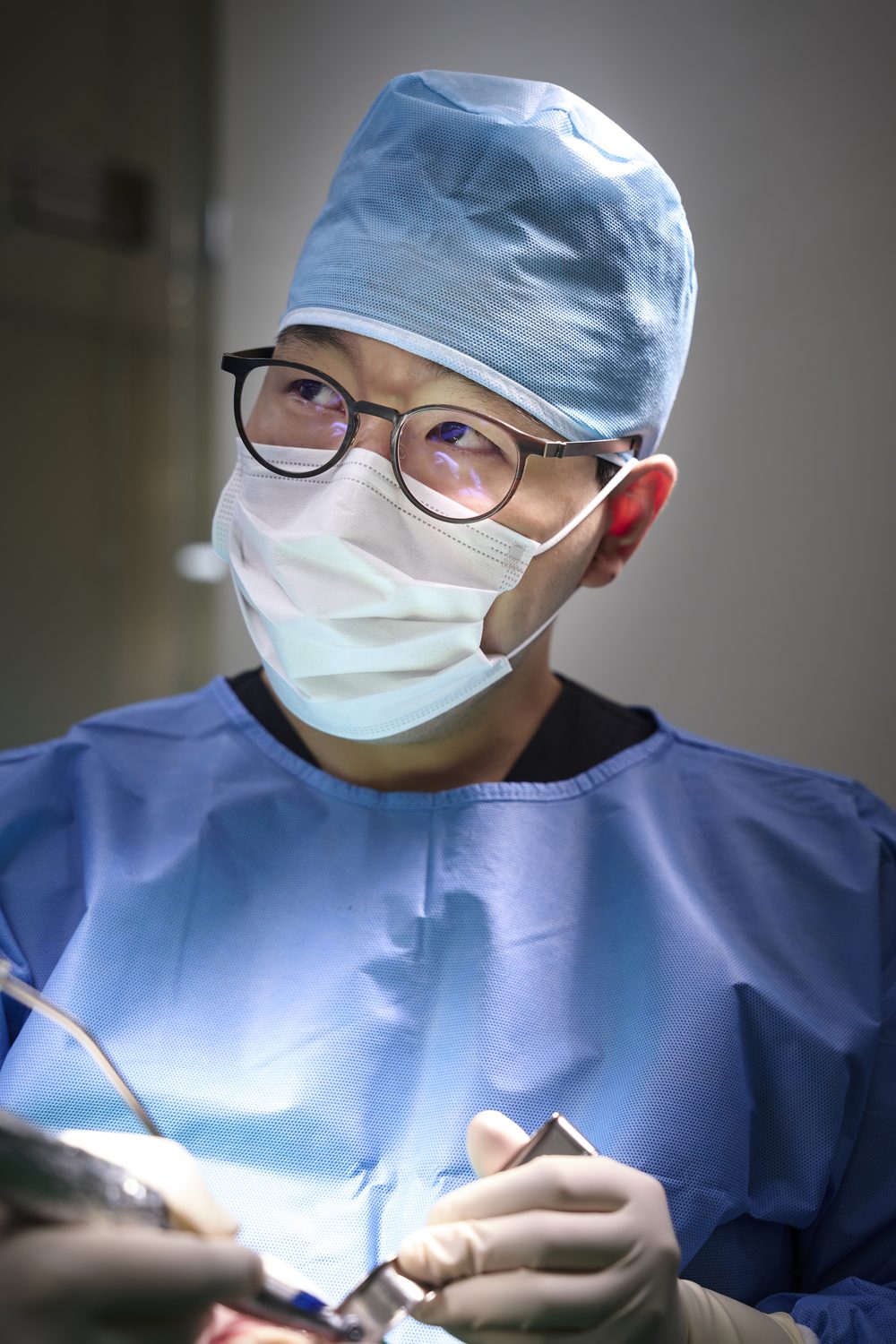
Inside Yonsei Heal Dental (연세힐치과), a KoreMed partner clinic in Seoul. Photos courtesy of the clinic.
"The low cost and the high trust come from two separate places. It helps to look at each on its own rather than treating one as proof of the other."
It is worth saying plainly that no clinic can promise a particular result, and outcomes always depend on the individual case, the patient's own health, and the clinician performing the work. What the Korean system offers is a high standard of infrastructure and training, not a guarantee, and any reputable clinic will confirm the specifics of a case only after examining the patient.
What to Know Before You Plan a Trip
For patients who decide Korea is worth exploring, a few practical points make the difference between a smooth trip and a stressful one. Build in time for consultation and healing, since implant treatment in particular often needs more than one visit or a staged plan. Confirm what a quoted price includes, because a number is only useful when you know whether it covers the fixture, the abutment, the crown, imaging, and follow-up. Ask about English-language support and records, as reputable clinics that treat international patients provide interpretation and give you documentation to carry home to your local dentist.
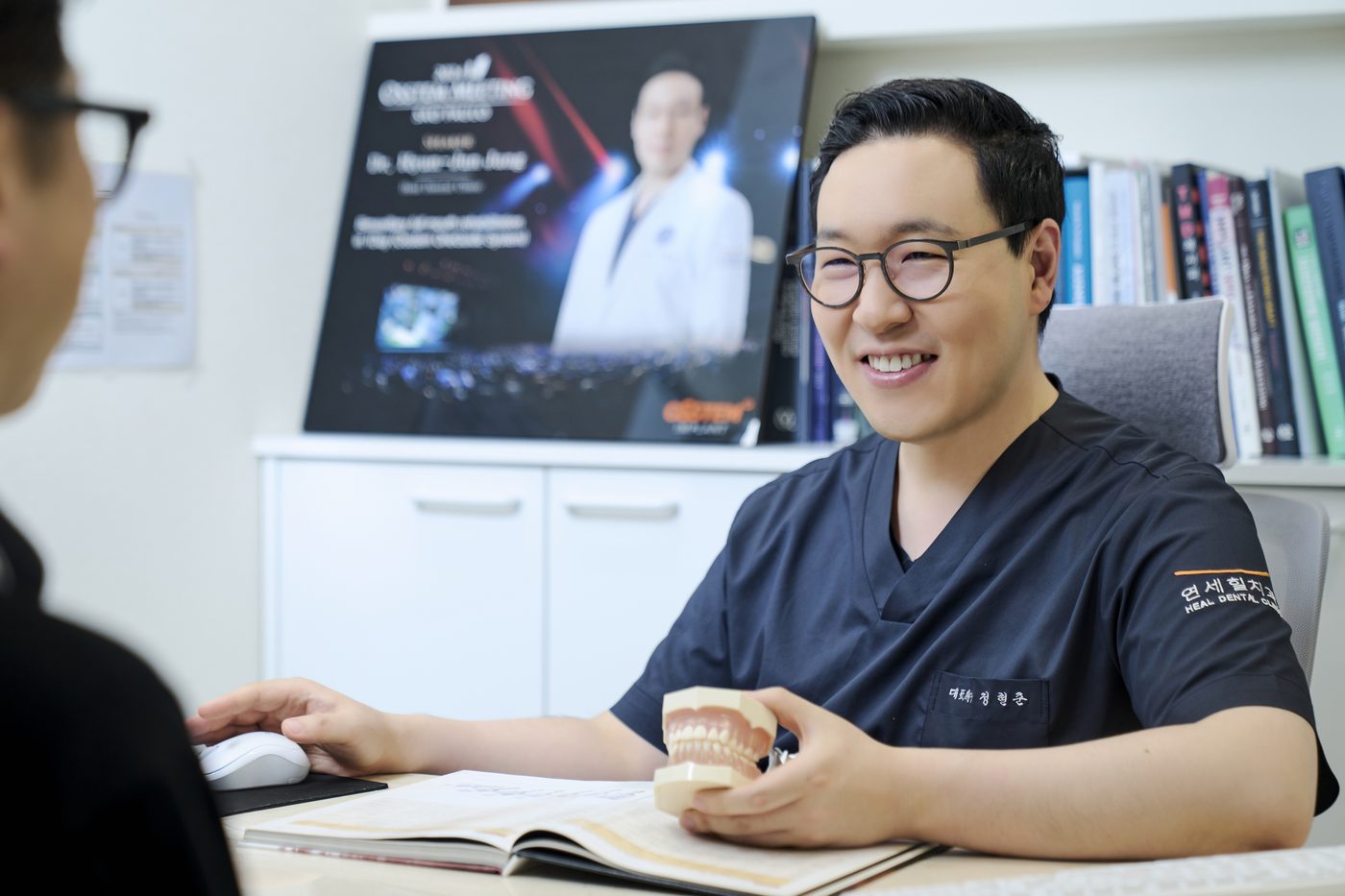
This is where working with a partner on the ground changes the experience. KoreMed Consulting connects US patients with vetted Korean medical institutions, including dental partners such as Yonsei Heal Dental (연세힐치과), and coordinates the full journey from first inquiry through treatment and follow-up, so the medicine is the only thing you have to think about.
If you want to see how the savings extend across other kinds of care, our broader breakdown of Korea versus US healthcare costs puts the numbers side by side.
Frequently Asked Questions
How much can I save on dental work in Korea?
A single implant in Korea is reported starting from around 300,000 Korean won, roughly $220, and from about $800 for a case that includes a bone graft, compared with roughly $3,000 to $5,000 or more in the United States. The real figure depends on your case and is confirmed only after a clinical examination, and any savings should be weighed against travel and lodging for your situation.
Is dental care in Korea safe and high quality?
Korea has a rigorous dental licensing system, widespread adoption of digital dentistry, and clinics that handle high procedure volumes, which together support a high standard of care. As with any medical treatment, no outcome can be guaranteed, and results vary by individual and clinician.
How many foreign patients go to Korea for medical care?
A record 1.17 million international patients visited Korea in 2024 according to KHIDI and the Ministry of Health and Welfare, and preliminary 2025 analysis indicated the total surpassed 2 million. Dental care is one of the faster-growing segments within that total.
Do Korean dental clinics support English-speaking patients?
Clinics that actively treat international patients typically provide English-language interpretation and documentation. Confirming this before you travel is one of the practical steps a coordination partner such as KoreMed handles for you.
How long does a dental trip to Korea take?
It depends on the procedure. Simpler work can be completed in a short visit, while implants or full-arch cases may need a staged plan across more than one trip, which is why it is best to ask a clinic how your specific case would be sequenced before booking.
Statistics in this article are sourced from the Korea Health Industry Development Institute (KHIDI), the Ministry of Health and Welfare, and industry reporting as of 2026. Pricing reflects current Korean industry rates and published comparison sources, varies by provider and case, and is confirmed only after a clinical examination. This content is for informational purposes only and does not constitute medical or financial advice.