Korean Dental Care Is Advanced and Affordable. Here Is What to Check Before You Book.
An implant that costs a fraction of the American price is good news for anyone who has been putting off treatment. This year, two deaths at a single clinic in Gangnam were a reminder that price is only the first question. Here is what to check before you choose where to go.
Why so many patients are looking at Korean dentistry
Korea treats dental implants as mainstream care rather than a luxury. Under the national health insurance program, Koreans aged 65 and over can have up to two implants covered for life, paying 30 percent of the cost themselves. That coverage applies to Korean insurance holders, not foreign visitors, but it shows how routine the procedure has become in the country, and routine procedures are where clinical teams build volume and refine technique.
The training behind that care is formal. Every Korean dentist passes a national licensing examination, and the government runs a separate specialist system: dentists who complete residency and a further qualifying exam are certified by the Ministry of Health and Welfare in fields such as oral and maxillofacial surgery, periodontics, prosthodontics and, since December 2016, Integrated Dental Medicine.
For a patient flying in from the United States, the practical result is access: digitally planned implant surgery, same-week consultations and fees that are published in advance, at a point in the process where many patients at home are still waiting for an appointment.
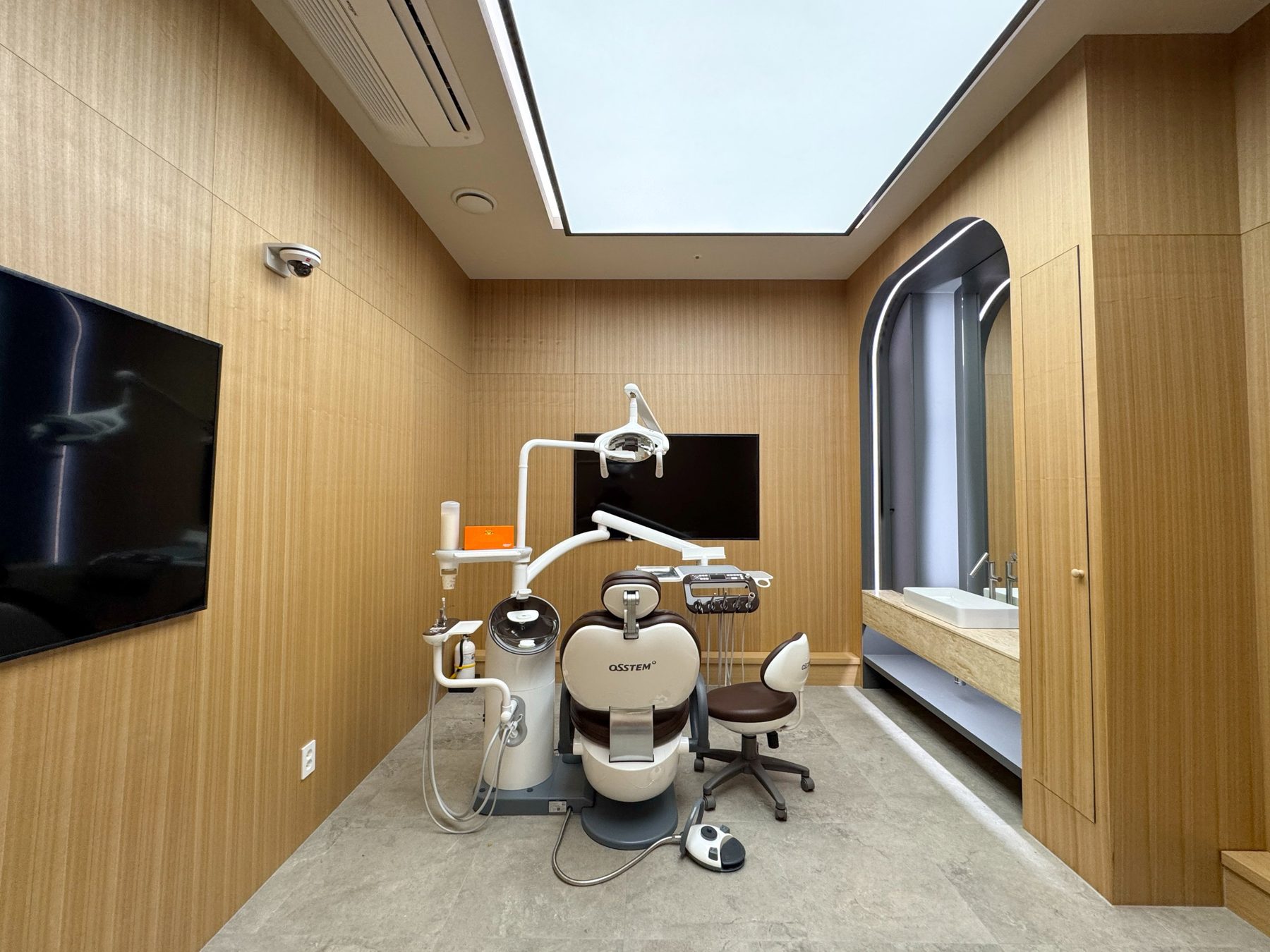
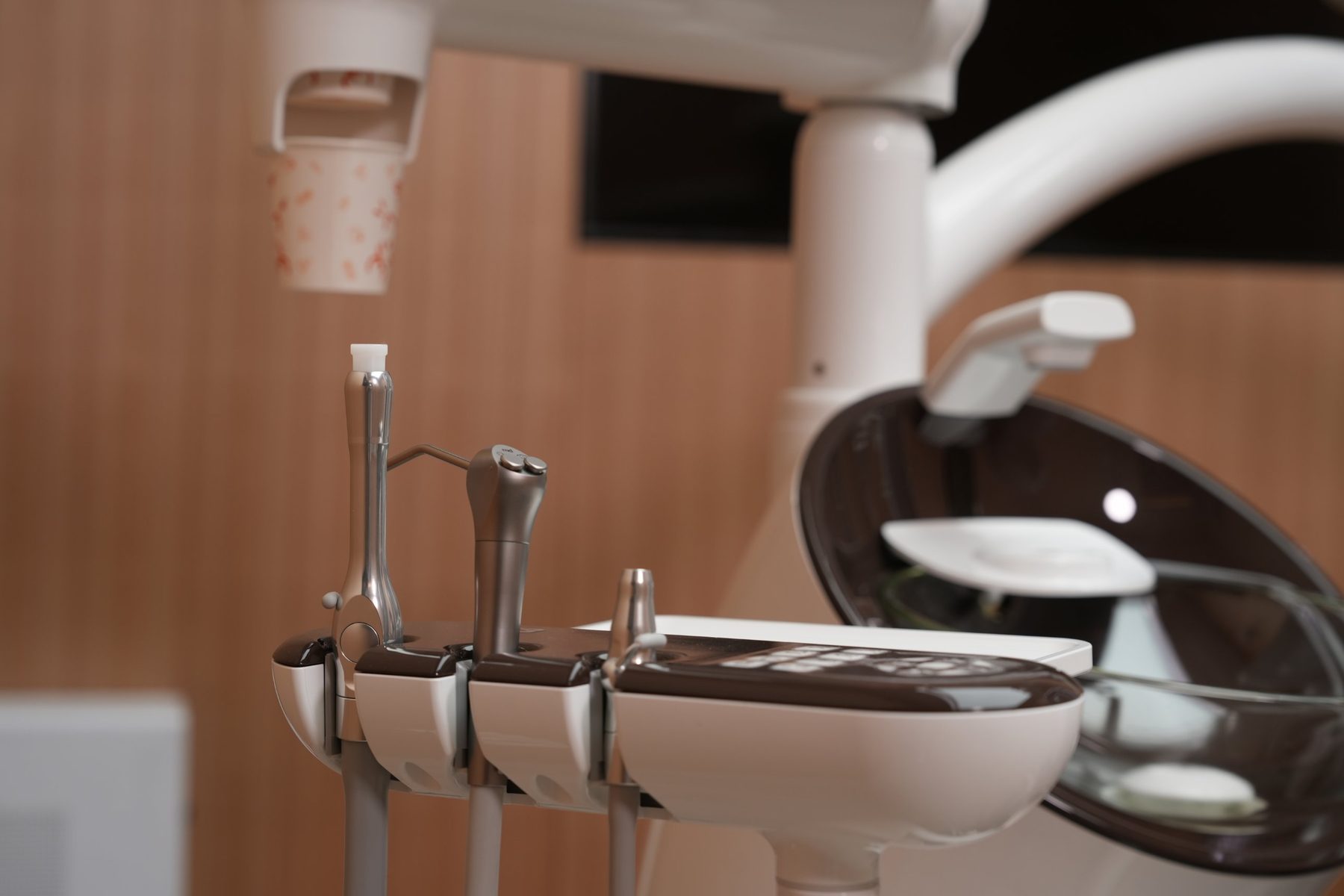
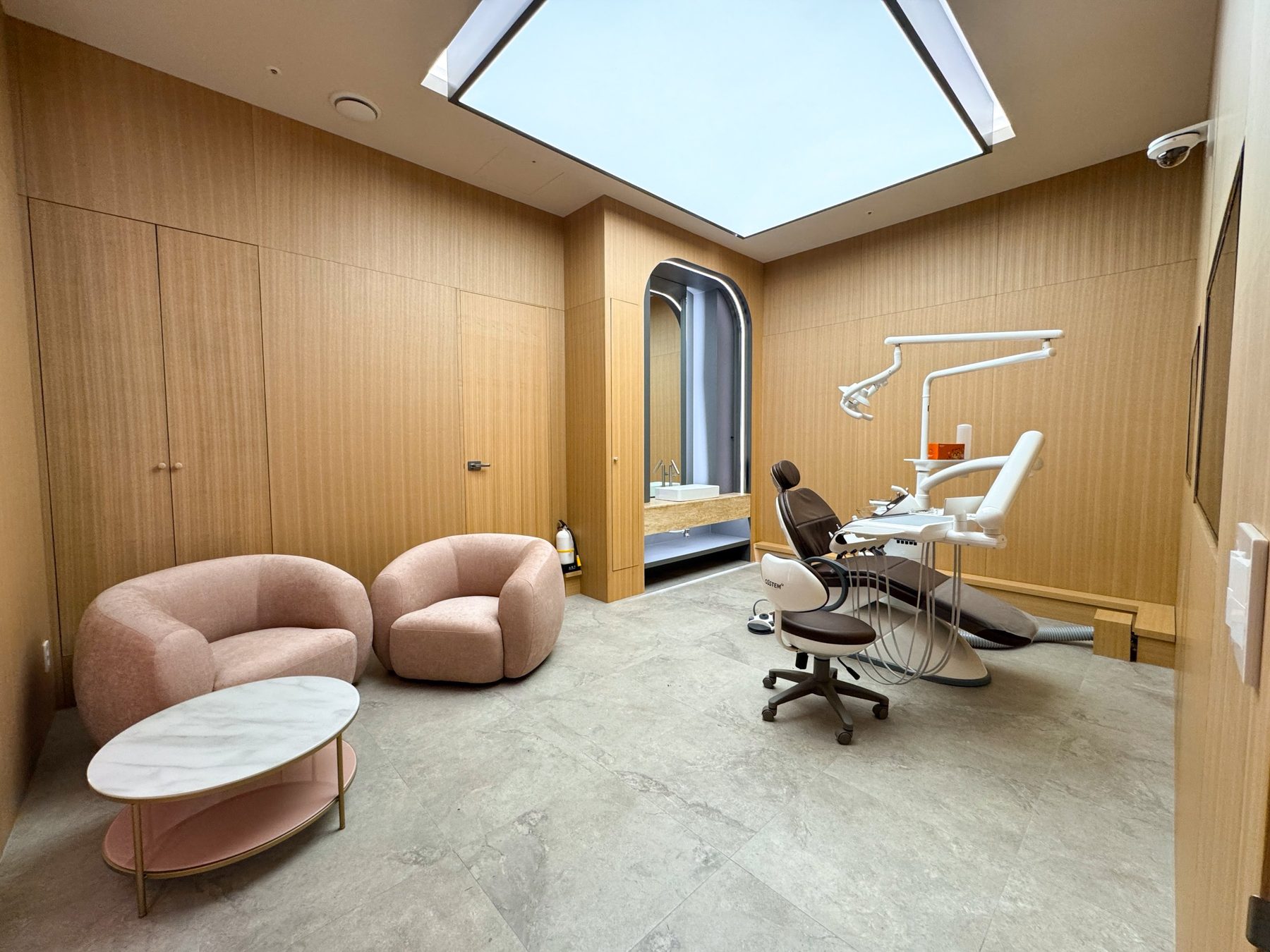
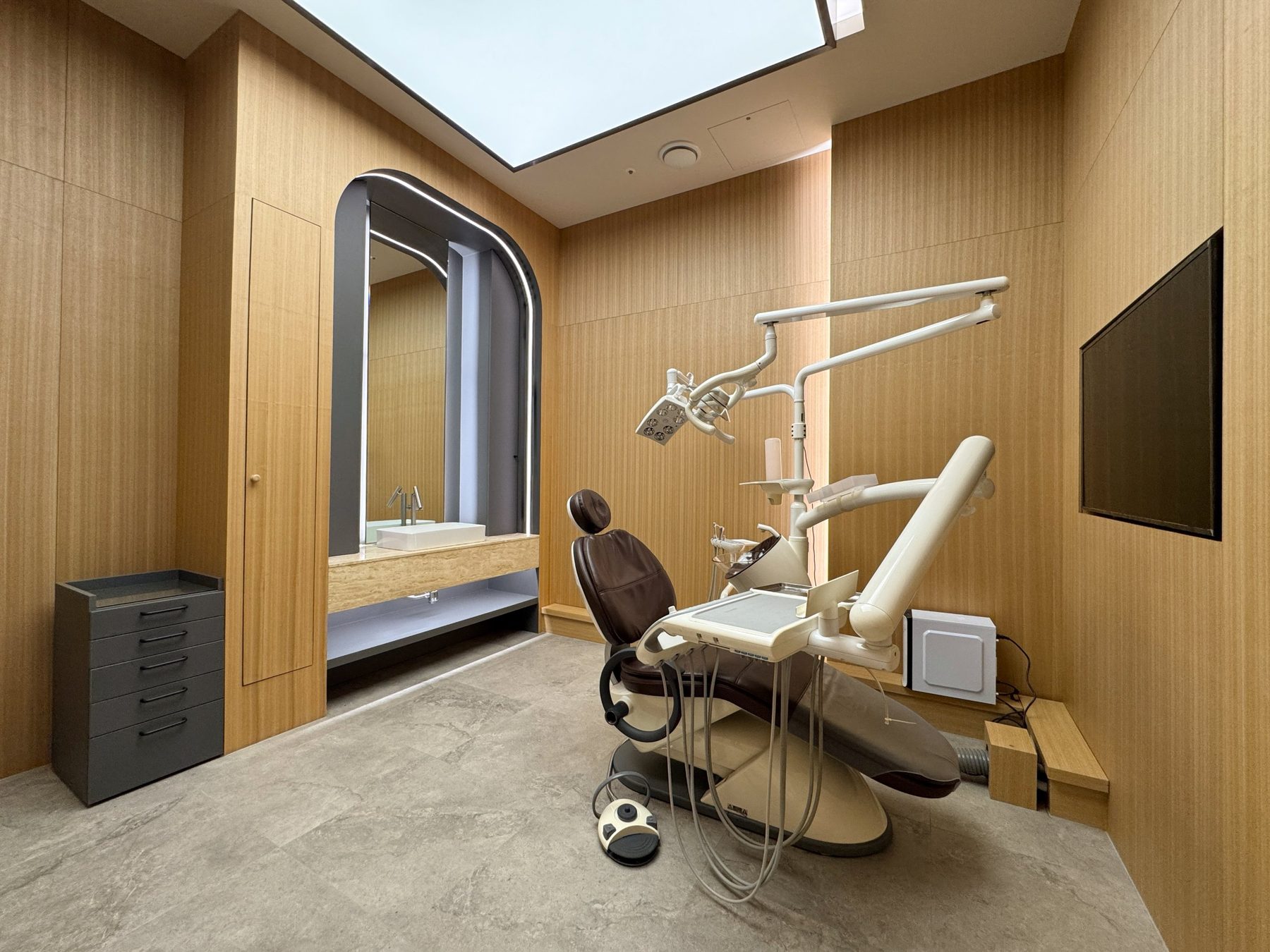
Treatment unit at Heal Dental Hospital, Seoul. Photo: Heal Dental Hospital.
What happened in Gangnam, and what it changed
Between December 2025 and August 2026, two patients died during implant procedures at the same dental clinic in Gangnam, Seoul. According to reporting by the Hankook Ilbo and the Kyunghyang Shinmun, both were sedated and given local anesthesia; one was a woman in her 70s, the other a man in his 60s. The clinic had reportedly drawn patients by advertising unusually low implant prices.
The police investigation is ongoing, and no cause or finding of negligence has been established. What the case did expose is a structural gap. Under current rules, mandatory reporting of serious patient-safety incidents applies only to larger hospitals, so incidents at smaller clinics may not reach health authorities quickly. In October 2026, Gangnam District formally asked the national government and the National Assembly to close that gap, including setting facility and equipment standards for procedures performed under sedation.
No country's medical system is free of adverse events, and that includes the United States. But an event like this should never happen, and it is a fair reason for any patient, Korean or foreign, to look harder at where they are being treated.
Five things to check before you book
1. Who will actually treat you
Ask for the name of the dentist who will place your implant, not just the name on the sign. Check whether that dentist holds a specialist certification from Korea's Ministry of Health and Welfare, and in which field. A clinic that is reluctant to name the treating dentist before you travel is telling you something.
2. How sedation is monitored
If you will be sedated, ask who is responsible for watching you while the dentist works. For comparison, the American Dental Association's guidelines for moderate sedation call for continuous pulse oximetry, continual checks of blood pressure and heart rate, monitoring of breathing, and at least one person trained in basic life support in addition to the dentist. These are reasonable questions to ask any clinic, anywhere.
3. What happens in an emergency
Ask what emergency equipment is in the treatment room, whether staff are trained to use it, and which hospital a patient would be transferred to if something went wrong. A clear, immediate answer is a good sign.
4. What kind of institution it is
In Korea, a dental clinic (치과의원) is opened by filing a report with the district office. A dental hospital (치과병원) requires a license from the city or provincial government under the Medical Service Act. The category alone does not guarantee quality, but it tells you which rules the institution operates under.
5. What the price includes
A low headline price can leave out the parts of treatment that make the final bill. Ask whether the quoted fee covers the implant fixture, the abutment, the final crown and any bone grafting, and ask for the final cost in writing after your examination.
What price cannot tell you is who will be in the room, how you will be monitored and what happens if something goes wrong.
One example: Heal Dental Hospital in Seoul
Heal Dental Hospital (연세힐치과병원) in Gangseo-gu, western Seoul, is one of KoreMed's partner hospitals, and the questions above are the ones we asked first. Its clinical director, Dr. HyunJun Jeong, holds a Ministry of Health and Welfare specialist certification in Integrated Dental Medicine. The practice was recently upgraded from clinic to dental hospital status.
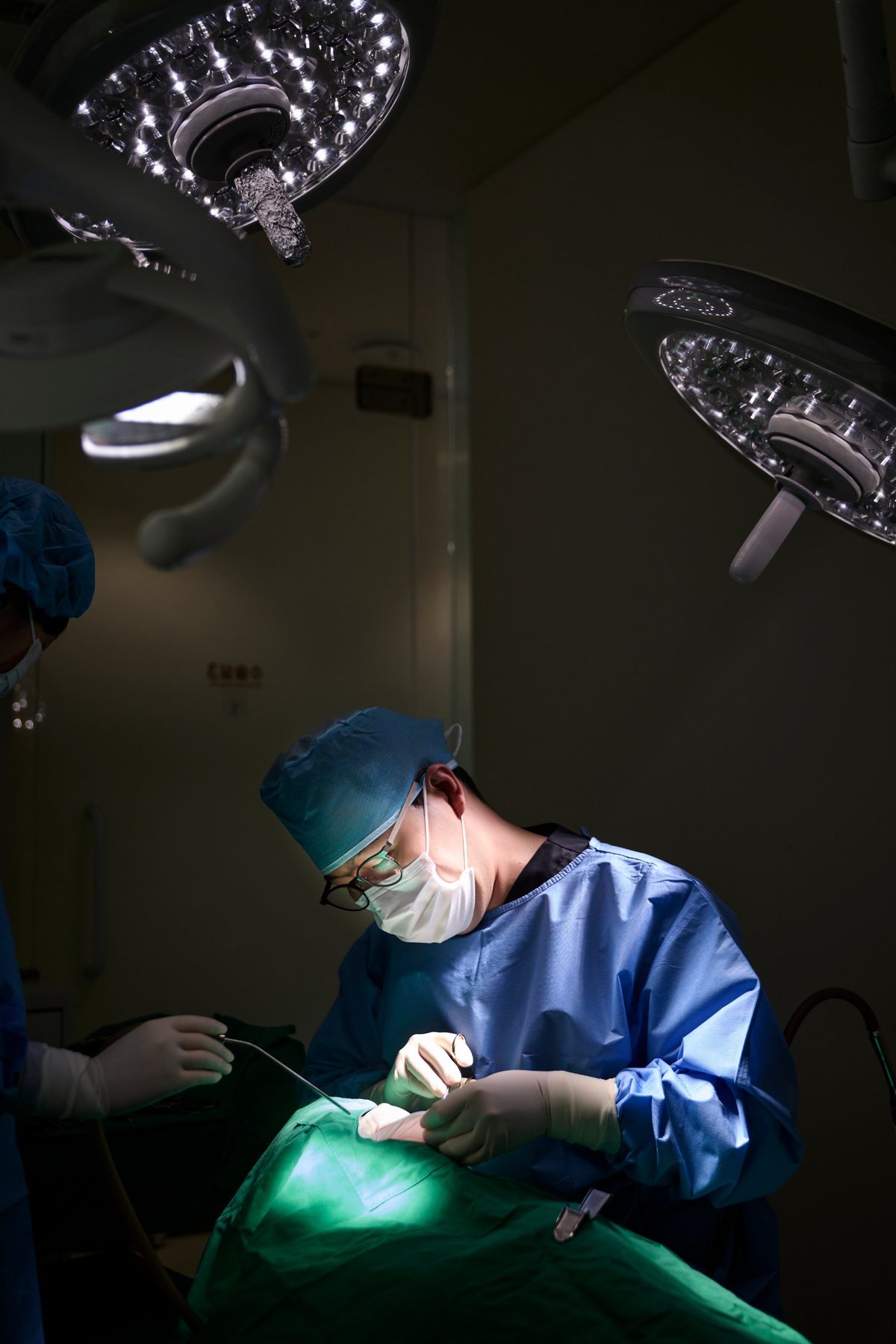
Dr. HyunJun Jeong in the operating room at Heal Dental Hospital. Photo: Heal Dental Hospital.
On safety, the hospital states the following:
During IV sedation, an anesthesiologist is present.
Oxygen saturation and heart activity (ECG) are monitored throughout.
An automated external defibrillator (AED) and emergency oxygen are kept on site.
A nearby hospital is designated for emergency transfer.
On cost, the hospital publishes its fees in advance. A single implant starts from $600, which includes an Osstem fixture, the abutment, the final crown and simple bone grafting; full-arch treatment starts from $9,000. The final cost is confirmed only after a clinical examination, and treatment plans vary from patient to patient.
On access, the hospital is about 15 minutes from Gimpo International Airport, sees patients on weekends, and offers airport pickup as a separately charged optional service. Language support is available in English, Korean, Japanese, Vietnamese and Mongolian.
Choosing where to have surgery is a personal decision, and price will rightly be part of it. Korean dentistry gives patients real options at a cost many Americans can actually afford. What price cannot tell you is who will be in the room, how you will be monitored and what happens if something goes wrong. Those answers are available to anyone who asks for them, and it is worth asking before you book.
Sources
Hankook Ilbo, "서울 강남 '임플란트' 치과, 8개월 새 2명 사망", August 26, 2026. Link
Kyunghyang Shinmun, "강남 치과 '7개월 새 2명 사망'…강남구, 정부·국회에 제도 개선 건의", October 7, 2026. Link
Kyunghyang Shinmun, senior implant coverage under National Health Insurance, September 5, 2023. Link
Daily Pharm, establishment of the Integrated Dental Medicine specialty (effective December 2016). Link
American Dental Association, Guidelines for the Use of Sedation and General Anesthesia by Dentists, adopted October 2016. Link
Medical Service Act of Korea, Article 33 (opening of medical institutions). Link
Heal Dental Hospital: clinician credentials, fees, safety measures, location and services as stated by the hospital.
Send us your questions about the dentist, sedation, emergency planning or what a quote includes. We will put them to the hospital directly and send you the answers in writing.
KoreMed Consulting Group, Inc. is a marketing and consulting agency, not a licensed medical provider, and does not give medical advice. Heal Dental Hospital is a KoreMed client. Information about the hospital comes from the hospital's own statements. Treatment suitability, outcomes and costs vary by individual and can only be determined by a licensed dentist after examination. News reports cited describe an ongoing investigation; no findings have been made.