Why 1.3 Million Patients Flew to Seoul for Skin Treatments in 2025
Of the 2.01 million international patients treated in Korea in 2025, 1.31 million were seen in dermatology departments — the single largest specialty category, up 86.2% year over year. This is no longer a beauty trend. It is a medical migration.
When the South Korean Ministry of Health and Welfare published its 2025 international patient data in April 2026, the dermatology figures stopped people in the medical tourism industry cold. 1,312,700 foreign patients, 62.9% of all foreign patients treated in Korea, were seen in dermatology departments. (KHIDI counts by treatment department, so a patient seen in more than one department is counted in each.) That is not a rounding error in the data. That is the dominant category by a significant margin, and it grew 86.2% in a single year.
For American patients specifically, dermatology accounted for 44.3% of all US patient visits to Korea — the largest single category. These are patients who researched their options, compared prices and clinical quality, and chose Seoul over their local providers. Understanding why requires looking at what Korean dermatology actually offers.
1.31M
Derm Patients 2025
Korea MoHW, April 2026
62.9%
Share of All Intl. Patients
Korea MoHW, April 2026
+86.2%
YoY Growth Rate
Korea MoHW, April 2026
44.3%
US Patients: Dermatology
Korea MoHW, April 2026
Source: Ministry of Health and Welfare (Korea), International Medical Tourism Statistics, April 2026
What Korea's Skin Clinics Actually Offer
Korean dermatology clinics operating in the medical tourism space offer a full spectrum of physician-administered treatments — not a curated subset of the options available elsewhere. The technology density in major Seoul dermatology clinics is among the highest in the world, driven by a competitive domestic market that requires constant clinical innovation to attract patients.
Botox and NeuromodulatorsPrecision dosing; significant cost advantage vs. US
Laser Resurfacing (CO2, Fraxel-equivalent)Ablative and fractional options for texture, pigment, scarring
IPL and BBL PhototherapyPigmentation correction, vascular lesions, redness
Ultherapy / HIFU LiftingUltrasound-based skin tightening and collagen stimulation
Thread LiftsPDO and PCL threads; minimally invasive lifting protocols
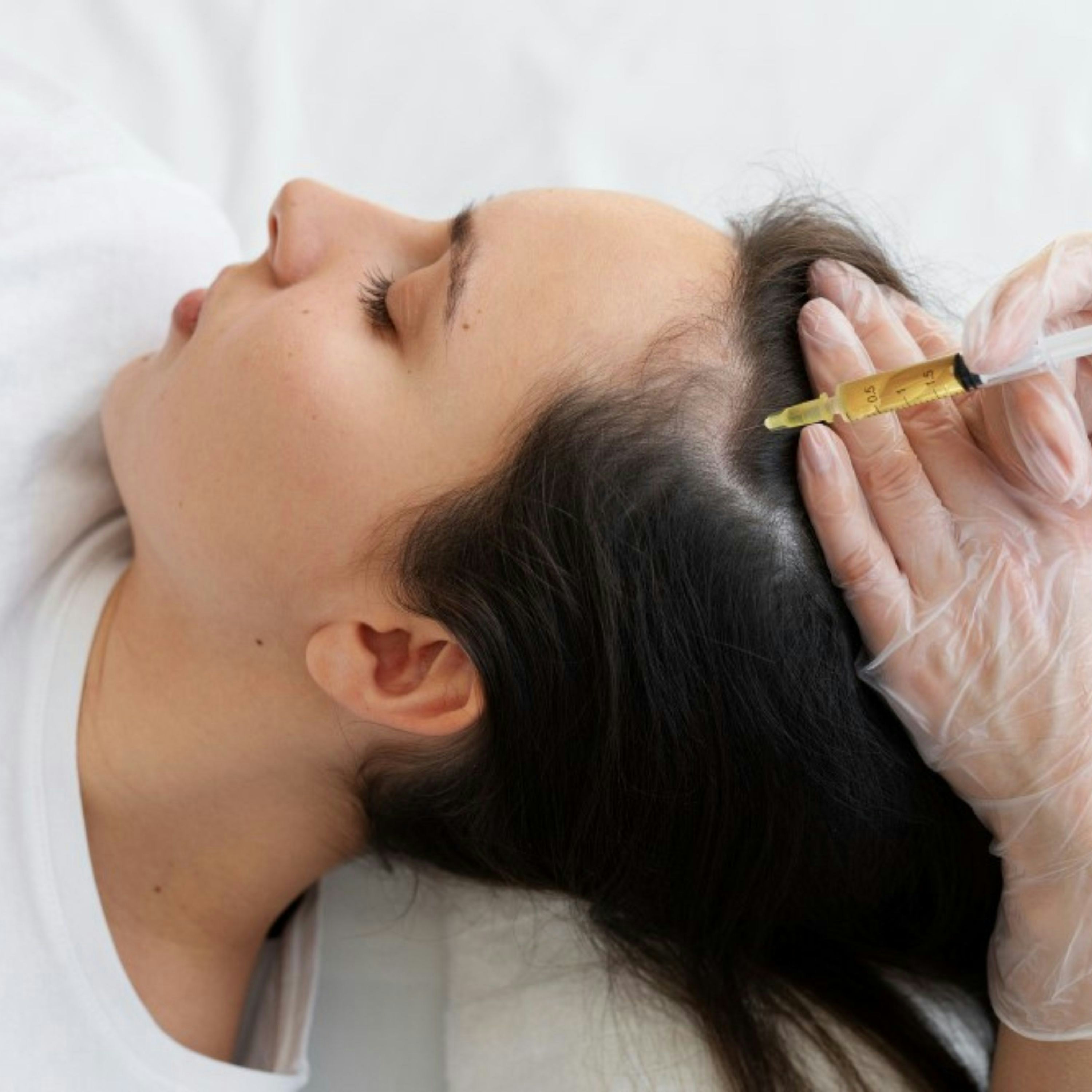
PRP and Skin BoostersPlatelet-rich plasma, polynucleotide (PDRN) injections
Exosome TherapyStem cell-derived growth factors for regeneration and rejuvenation
Many Korean dermatology clinics combine multiple protocols within a single visit — a laser treatment paired with a skin booster injection and a personalized home-care prescription, for example — producing a treatment density that would require multiple separate appointments in the US system.
"Korean dermatology clinics are not spas with lasers. They are physician-run medical facilities operating at the intersection of clinical science and aesthetic precision."
Why Korean Dermatology Is Different
The structural difference that matters most: in Korea, aesthetic skin procedures are performed by board-certified dermatologists and plastic surgeons — not aestheticians or nurses operating under delegated physician oversight. The physician is in the room. This is the clinical standard, not the premium exception.
Korean dermatologists have also benefited from being embedded in one of the world's most demanding aesthetic markets. Korean patients are sophisticated, outcomes-focused consumers of dermatological care, and the competition among Seoul clinics for that patient base has driven a continuous cycle of technology adoption and clinical refinement. The K-beauty movement exported the cultural result of this dynamic globally — but the clinical infrastructure that created it has been quietly serving international patients for over a decade.
Korea's cosmetics and pharmaceutical industry has also played a role. Korean companies produce several of the world's most widely adopted filler brands and PRP technologies. Dermatologists in Seoul often have access to products and protocols that are still awaiting regulatory clearance in the United States.
The Cost Reality
Botox in a Seoul dermatology clinic typically costs approximately 30 to 60% less per unit than comparable physician-administered pricing in major US cities. Full-face filler treatments, laser packages, and combination protocols show similar — and in some cases greater — cost differentials. A comprehensive dermatology treatment package that might cost $3,000 to $6,000 in New York or Los Angeles can often be performed at comparable or superior clinical standard in Seoul for $1,000 to $2,500, depending on the specific treatments.
These are estimates, not guarantees — pricing varies by clinic, treatment complexity, and specific products used. Patients should obtain itemized quotes from clinic international coordinators and verify physician credentials before booking.
Note: Dermatology treatment pricing is estimated from general market data. Actual costs vary by clinic and treatment selection. Always obtain a direct quote and verify credentials before proceeding.
What American Patients Are Getting
American patients seeking Korean dermatology care typically fall into several categories: those seeking treatments not yet available or approved in the US (such as certain exosome protocols or newer filler formulations); those seeking the same treatments available at home but at significantly lower cost with equivalent or higher physician-supervised quality; and those who have developed trust in Korean clinical standards through research, community recommendation, or personal Korean-American healthcare experience.
The 44.3% dermatology share among US patients visiting Korea suggests this is not a fringe behavior — it is a mainstream choice that a significant and growing subset of American healthcare consumers are making deliberately.
What to Look for in a Korean Skin Clinic
Reputation and physician qualification vary significantly across Seoul's dermatology landscape. When evaluating a clinic, verify that procedures will be performed by a board-certified dermatologist (피부과 전문의) or plastic surgeon — not delegated to technicians. Look for clinics that provide a physician consultation before any treatment, where the treating doctor reviews your skin, discusses your goals, and creates a customized protocol. Be cautious of clinics that operate primarily on a high-throughput model with no physician involvement in the treatment itself.
Procedural availability, pricing, and clinic practices referenced in this article are general in nature and subject to change. This content is provided for informational purposes only and does not constitute medical advice or a treatment recommendation. Individual results vary. Always consult a qualified physician before undergoing any dermatological procedure.
Frequently Asked Questions
1,312,700 patients were seen in Korean dermatology departments in 2025 (KHIDI counts by treatment department, so patients seen in multiple departments are counted more than once), growing 86.2% year-over-year — driven by advanced technology, board-certified specialists, and faster scheduling than many US markets. (Source: MoHW, April 2026)
Some devices and treatment protocols available in Korean clinics are not yet available in the US market; this varies by treatment and changes over time.
Reported new-patient dermatology wait times in major US metro markets have historically averaged around a month (Source: Merritt Hawkins Survey of Physician Appointment Wait Times); Korean clinics working with international patients typically offer much faster scheduling.
Sources
Ministry of Health and Welfare (Korea) — International Medical Tourism Statistics, April 2026
Note: Dermatology treatment pricing is estimated from general market data; actual costs vary by clinic and treatment selection. Always obtain a direct quote and verify credentials before proceeding.
We don't take a commission on patients. We start from the procedure, find the specialist with the best record in it, and connect you to that hospital directly. If we don't think travelling to Korea is right for your case, we'll say so.
The statistics and medical information on this page are drawn from peer-reviewed research and recognised institutions, including the Korea Central Cancer Registry, the American Cancer Society, the Korea Health Industry Development Institute and the OECD. This content is informational only. It is not medical advice, a diagnosis, or a treatment recommendation. Outcomes vary by individual. KoreMed Consulting Group, Inc. is a marketing and consulting agency, not a licensed medical provider. For medical decisions, consult a licensed healthcare professional.