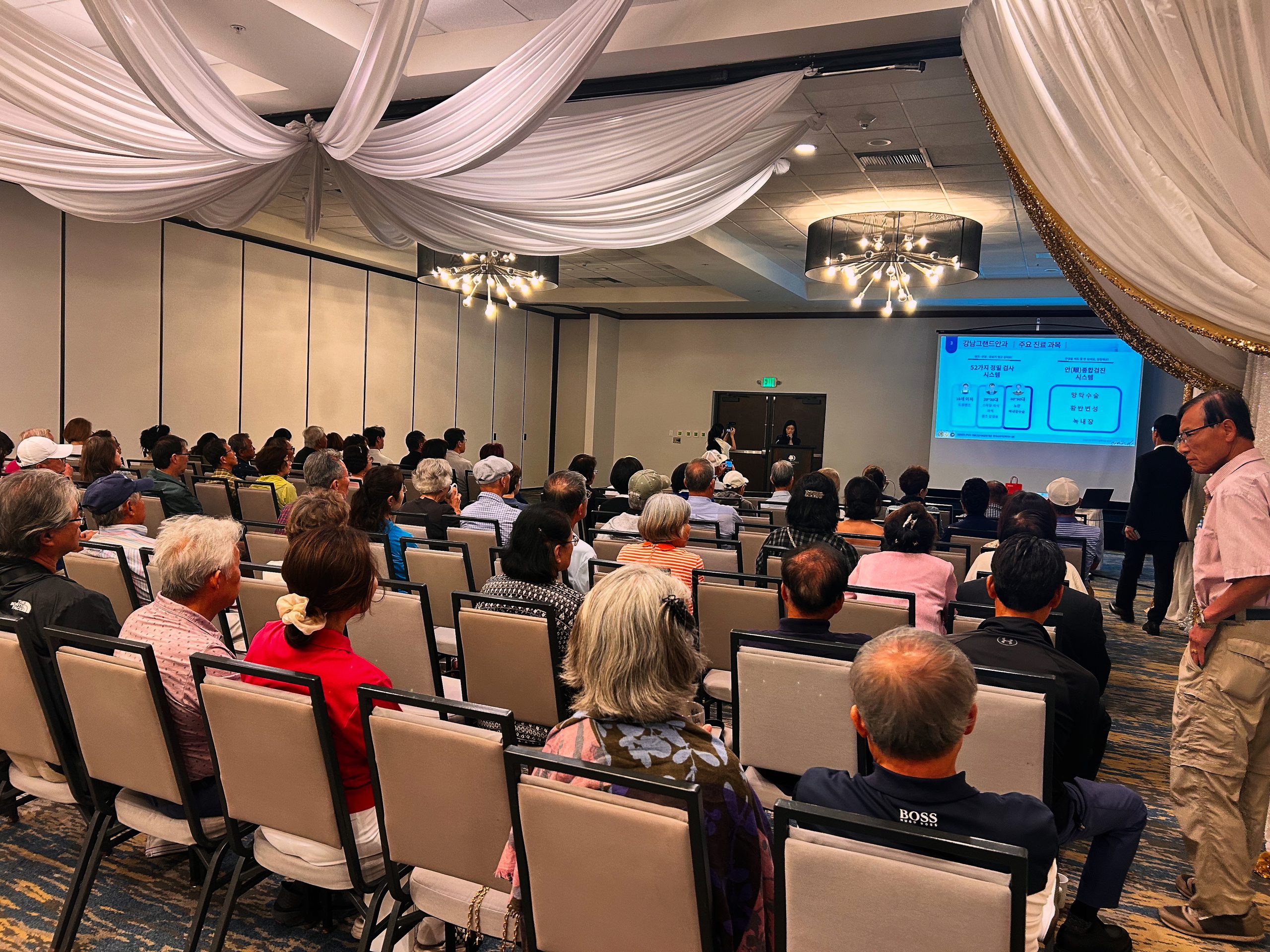
Every year, Korean hospitals with world-class facilities, internationally trained surgeons, and genuinely superior outcomes fail to gain a single US patient referral. Not because their medicine is inadequate — it often isn't. They fail because entering the US healthcare market is not a medical challenge. It is a brand and communications challenge, and most Korean institutions approach it with the wrong tools.
This guide is based on what we've observed across years of working with Korean healthcare organizations navigating the US market. It won't tell you to "build a website" or "get on social media." It will tell you what the institutions that are succeeding actually did differently — and where the ones that failed went wrong before they even started.
"The Korean hospitals that succeed in the US don't lead with their credentials. They lead with the problem they solve for the patient — and then prove why they solve it better."
The conventional approach goes something like this: a hospital builds an English-language website, translates their existing marketing materials, attends one or two US conferences, and places a few ads in Korean-American newspapers. They wait. Nothing meaningful happens. After 18 months and a meaningful budget expenditure, leadership concludes that "the US market isn't ready" for what they offer.
The market is ready. The approach is wrong.
The core problem is that Korean hospitals typically lead with their institutional credibility — number of beds, JCI accreditation, surgeon credentials — at a stage when US audiences have no context for evaluating any of it. American patients and referring physicians don't know what JCI means. They don't know which Korean hospitals are prestigious versus average. All they see is a foreign institution asking for their trust.
Trust in US healthcare is built differently than in Korea. It is built through community presence, through peer referral, through visible expertise over time. A hospital that has never been featured in a Korean-American media outlet, never spoken at a Korean-American community health event, and has no visible US-based point of contact is, from the community's perspective, essentially unknown — regardless of how many international awards it has won.
The Korean-American community in the United States numbers approximately 1.8 million people (2020 US Census), concentrated primarily in Los Angeles (the largest Korean population outside of Korea), New York/New Jersey, Chicago, and Seattle. This population is medically underserved in specific ways that Korean hospitals are uniquely positioned to address.
First-generation Korean-Americans often prefer to receive care — particularly for complex procedures — in Korea, where language barriers are absent, cultural norms are familiar, and costs are frequently lower even accounting for travel. The challenge has never been whether they would consider Korean hospitals. The challenge is that they don't know how to access them systematically, and Korean hospitals haven't built the US infrastructure to make access easy.
This is the actual opportunity: not convincing Korean-Americans that Korean medicine is good (most already believe this), but making it simple, trustworthy, and well-coordinated for them to actually go.
The Korean-American community in the US spends an estimated $2–4B annually on healthcare. A meaningful portion of first-generation Korean-Americans already travel to Korea for complex procedures — the infrastructure to support and grow this behavior is largely missing.
US patients don't search for "Korean hospital." They search for solutions to their specific health problem. Your US positioning should lead with the condition, procedure, or outcome — not the institution's name or history.
First-generation Korean immigrants, 1.5-generation Korean-Americans who grew up bilingual, and second-generation Korean-Americans who are culturally Korean but English-dominant are three distinct audiences with different media consumption habits, language preferences, and levels of connection to Korea. One message won't reach all three effectively.
The single biggest conversion barrier for patients considering treatment in Korea is uncertainty about coordination — what happens when I arrive, who do I call if something goes wrong, how does my US insurance interact with Korean billing. A US-based care coordinator or agency relationship resolves this entirely. Without one, most patients will defer to a US hospital instead, even if they believe Korean care is superior.
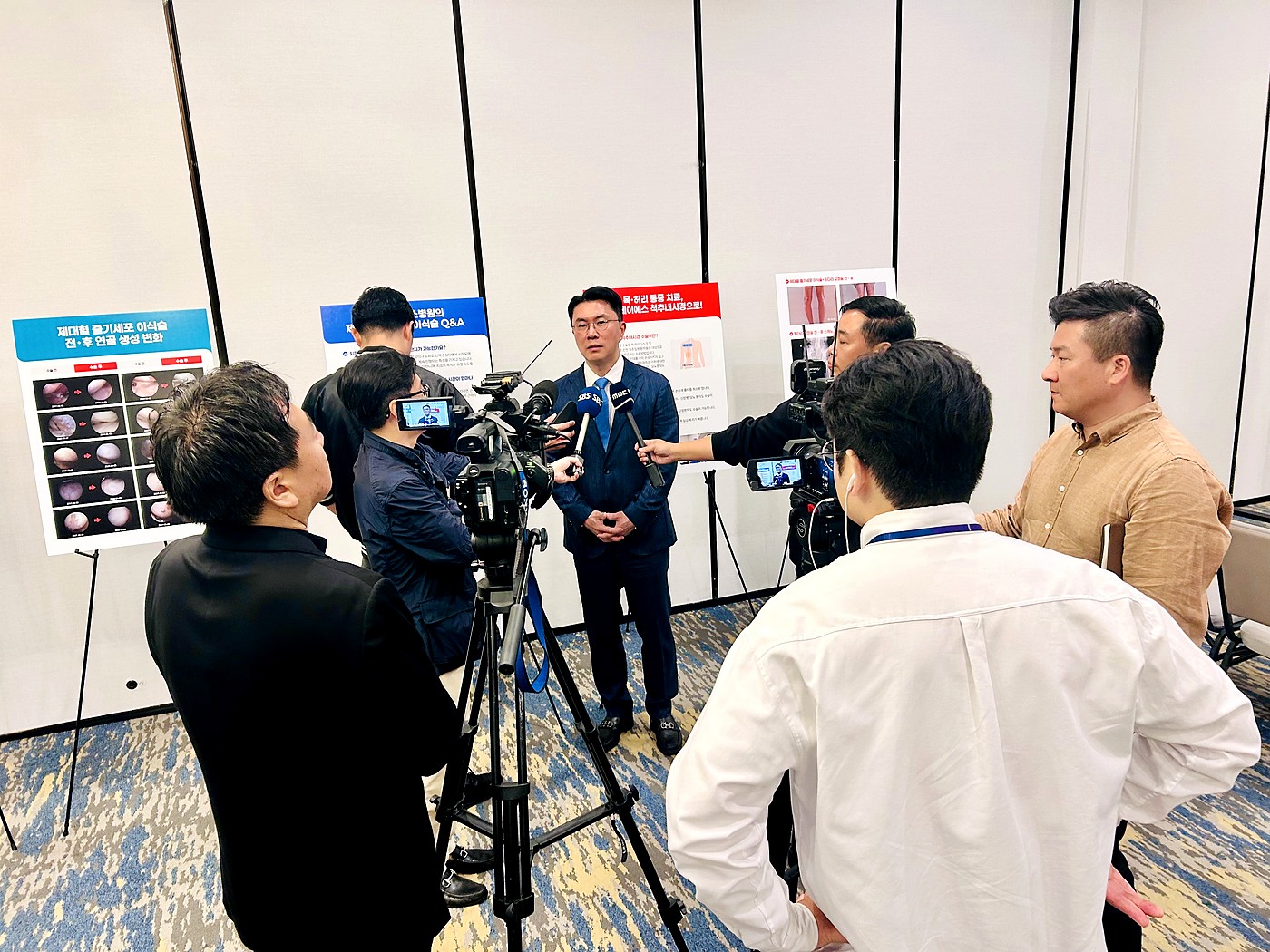
The Korean-language media ecosystem in the US — Korea Times, Korea JoongAng Daily (US edition), SBS International, MBC America, Radio Korea, and dozens of local community publications — reaches a highly concentrated audience of exactly the patients Korean hospitals are targeting. Most Korean hospitals have never placed a single piece of content in any of these outlets. This is a major missed opportunity.
US brand recognition is built through repeated, consistent exposure over time. A single conference appearance or a two-week advertising campaign generates minimal lasting impact. The hospitals that succeed commit to a 12-month minimum presence-building effort with consistent touchpoints across media, events, and community.
The hospitals and clinics we've seen succeed in the US market follow a consistent pattern, even when they've arrived at it through different paths. We call it the brand-first framework, and it has three phases.
Don't try to be a comprehensive Korean hospital to all Americans. Be the Korean hospital that is the undisputed authority on one or two specific specialties for Korean-Americans in specific cities. Spine surgery. Oncology. Stem cell therapy. Cosmetic procedures. Pick the specialties where you have genuine, demonstrable advantages and build US presence around those first. Once you own a specific position, expansion is far easier than trying to establish broad recognition from zero.
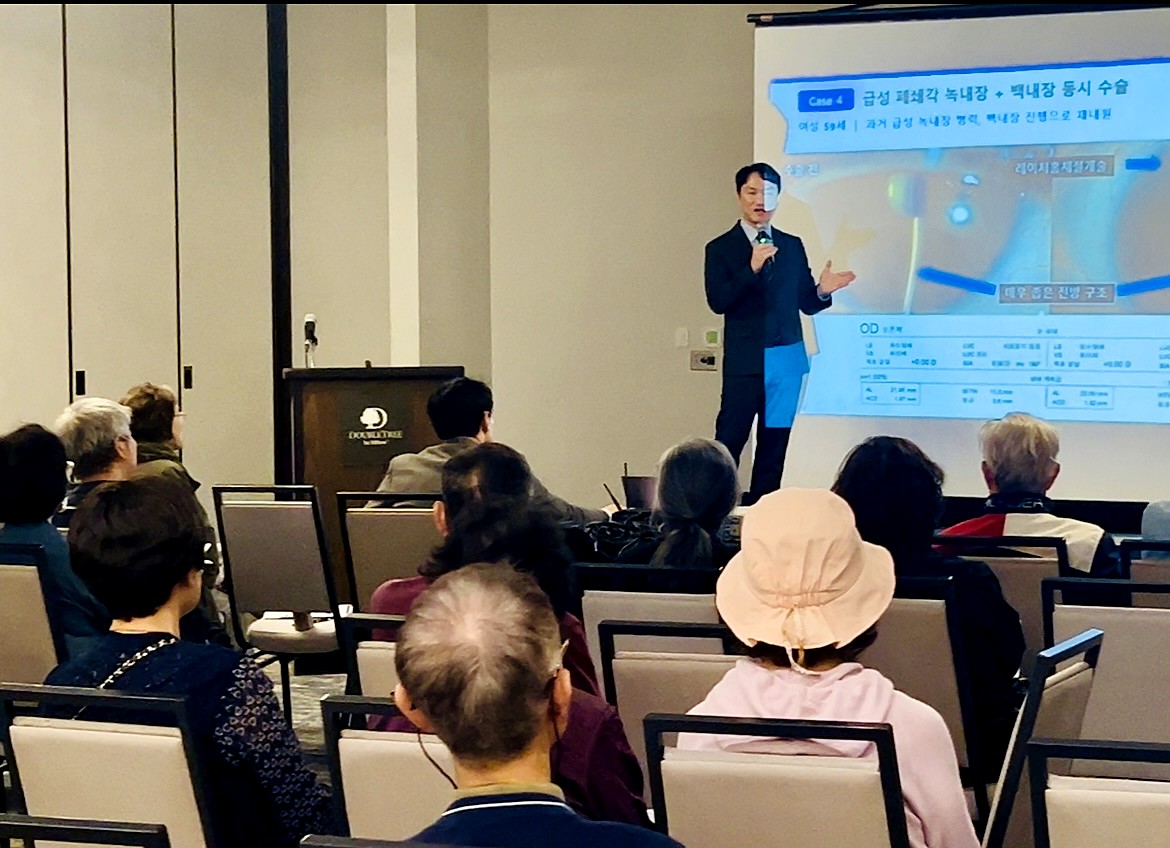
Advertising in Korean-American media works. But it works significantly better once the audience has encountered your hospital's name through editorial coverage, community event sponsorship, or doctor appearances on Korean-language radio or TV programs. Earned media credibility makes paid media dramatically more effective. The typical sequence: a health seminar or community event → editorial coverage in Korean-American press → paid media amplification. Most hospitals skip steps one and two and go straight to paid advertising. It shows in the results.
The decision to travel to Korea for medical care requires trust that someone will manage the complexity. A clear, US-based coordination process — visible on your website, communicated in your media placements, and supported by a named contact who speaks Korean and English — removes the largest single barrier to conversion. This can be a staff position, a partnership with a US-based medical tourism agency, or a coordination service embedded within a consulting engagement. What it cannot be is an email address and a hope.
The Korean-American media landscape in the US is more robust than most Korean hospital marketers realize. Here is a channel overview with rough reach estimates:
| Channel | Type | Primary Market | Audience Profile |
|---|---|---|---|
| Korea Times (US) | Print + Digital | LA, NY, nationally | First-generation, 40+ |
| Korea JoongAng Daily (US) | Print + Digital | LA, NY | First-generation, professional |
| Radio Korea (KRHI) | Broadcast Radio | Los Angeles | First-generation, commuter audience |
| SBS International | Cable/Satellite TV | Nationwide | Mixed generations, Korean content viewers |
| MBC America | Cable/Satellite TV | Nationwide | Mixed generations, Korean drama viewers |
| KakaoTalk Channels | Mobile Messaging | Nationwide | All generations, community groups |
| Naver / Korean Blogs | Digital | Nationwide | Research-oriented, treatment seekers |
The Los Angeles market — home to the largest Korean-American population in the US — is typically the right starting point for any hospital entering the US market. Once LA presence is established, expansion to New York, Chicago, and Seattle follows a similar playbook.
We are frequently asked "how long does it take?" The honest answer: meaningful US brand presence for a Korean hospital takes 12–18 months of consistent effort. But the following 90-day sequence creates the foundation everything else is built on.
US market positioning defined. English-language website updated with US-specific messaging, patient coordination workflow documented, US contact established. Priority specialty identified. Initial outreach to LA Korean-language media contacts initiated.
First medical seminar or community health event planned and promoted (LA preferred). Earned media strategy activated — editorial pitches to Korea Times, Radio Korea health segments, etc. KakaoTalk channel established with content calendar. US referral physician outreach in Korean-American medical community initiated.
Post-event follow-up sequence deployed. First paid media placements activated (boosted by earned media credibility now established). Patient testimonial collection initiated. 12-month media calendar finalized. Metrics baseline set for month 4+ evaluation.
KoreMed Consulting is a US-based agency specializing in Korean medical tourism. We connect you with the best Korean hospitals and medical facilities tailored to your treatment goals.
info@koremedconsulting.comIf your hospital is considering US market entry — or has tried before and struggled to gain traction — the right starting point is an honest assessment of your current US positioning. Not a marketing audit, but a strategic assessment: who, specifically, are you trying to reach in the US, what specific problem do you solve for them that US hospitals don't solve as well, and what infrastructure do you have (or need) to support US patient coordination?
These three questions, answered with specificity, determine whether your US market entry will generate results or generate expense.
KoreMed Consulting Group offers a complimentary 60-minute strategy session for Korean healthcare organizations evaluating US market entry. We'll assess your current positioning, identify the fastest path to US visibility, and give you a frank view of what it will realistically take. No obligation, no sales pressure — just the information you need to make a well-informed decision.
Learn more about our US Market Entry service or contact us directly to schedule your assessment.
Most US audiences have no context for evaluating Korean institutional credentials (bed count, JCI accreditation, surgeon titles) the way Korean audiences do. Trust in the US market is built through community presence and peer referral, not credentials alone.
The Korean-American community numbers approximately 1.8 million people (2020 US Census), concentrated in Los Angeles, New York/New Jersey, Chicago, and Seattle. (Source: US Census Bureau)
Leading with the hospital's institutional credentials instead of the patient's specific problem or procedure. American patients search for solutions to their health issue, not for a hospital name.
We don't take a commission on patients. We start from the procedure, find the specialist with the best record in it, and connect you to that hospital directly. If we don't think travelling to Korea is right for your case, we'll say so.
Submit an Inquiry info@koremedconsulting.comThe statistics and medical information on this page are drawn from peer-reviewed research and recognised institutions, including the Korea Central Cancer Registry, the American Cancer Society, the Korea Health Industry Development Institute and the OECD. This content is informational only. It is not medical advice, a diagnosis, or a treatment recommendation. Outcomes vary by individual. KoreMed Consulting Group, Inc. is a marketing and consulting agency, not a licensed medical provider. For medical decisions, consult a licensed healthcare professional.