Dental Clinic or Dental Hospital in Korea? What the Sign Actually Tells You.
You have probably seen both words while researching Korean dentistry. Clinic. Hospital. It sounds like a difference in size. In Korean law it is a difference in category, and the label tells you less than you might hope.
The short answer. In Korea, a chiqwa uiwon (치과의원, dental clinic) and a chigwa byeongwon (치과병원, dental hospital) are separate legal categories under the Medical Service Act. A hospital-level institution is one that mainly treats inpatients and needs a license from the city or provincial government, while a clinic only files a report with the local district office. As far as we can read the current text, the 30-bed minimum applies to general hospitals and Korean-medicine hospitals, not to dental hospitals. So the word "hospital" is a useful starting point, not a guarantee of beds, an anesthesiologist or an emergency team.
Two words, two sets of rules
Picture a patient scrolling through listings from Seoul. One place calls itself a dental clinic. The next calls itself a dental hospital. Most of us assume the second one is bigger, better equipped and safer. That assumption is understandable, and it is only partly right.
Korea's Medical Service Act sorts medical institutions into tiers. Clinics (의원급) sit in one tier. Hospital-level institutions (병원급), which include dental hospitals, sit in the next one up. The practical difference starts at the very beginning of a facility's life: a dental clinic opens by filing a report with the district office, and a dental hospital needs a license from the city or provincial government.
That is a real difference in how the institution is overseen. It is also the point where people tend to read too much into the label.
The part that surprises people
Here is what we found when we went to the text of the law. The Act's separate article on hospital requirements sets a minimum of 30 beds, but that requirement is written for general hospitals and Korean-medicine hospitals. We could not find a bed minimum for dental hospitals in the version we read (in force from April 2026).
So a dental hospital is not automatically a place with a ward full of beds. That does not make it a worse place to be treated. It means the label alone cannot answer the questions a patient cares about most: who will be monitoring me, and what happens if something goes wrong?
One caution. We are a marketing and consulting firm, not lawyers, and legal texts get amended. Please read Articles 3 and 3-2 of the Act yourself at the official law portal before relying on this. If your dentist can tell you plainly which category they are licensed under, that is a good sign in itself.
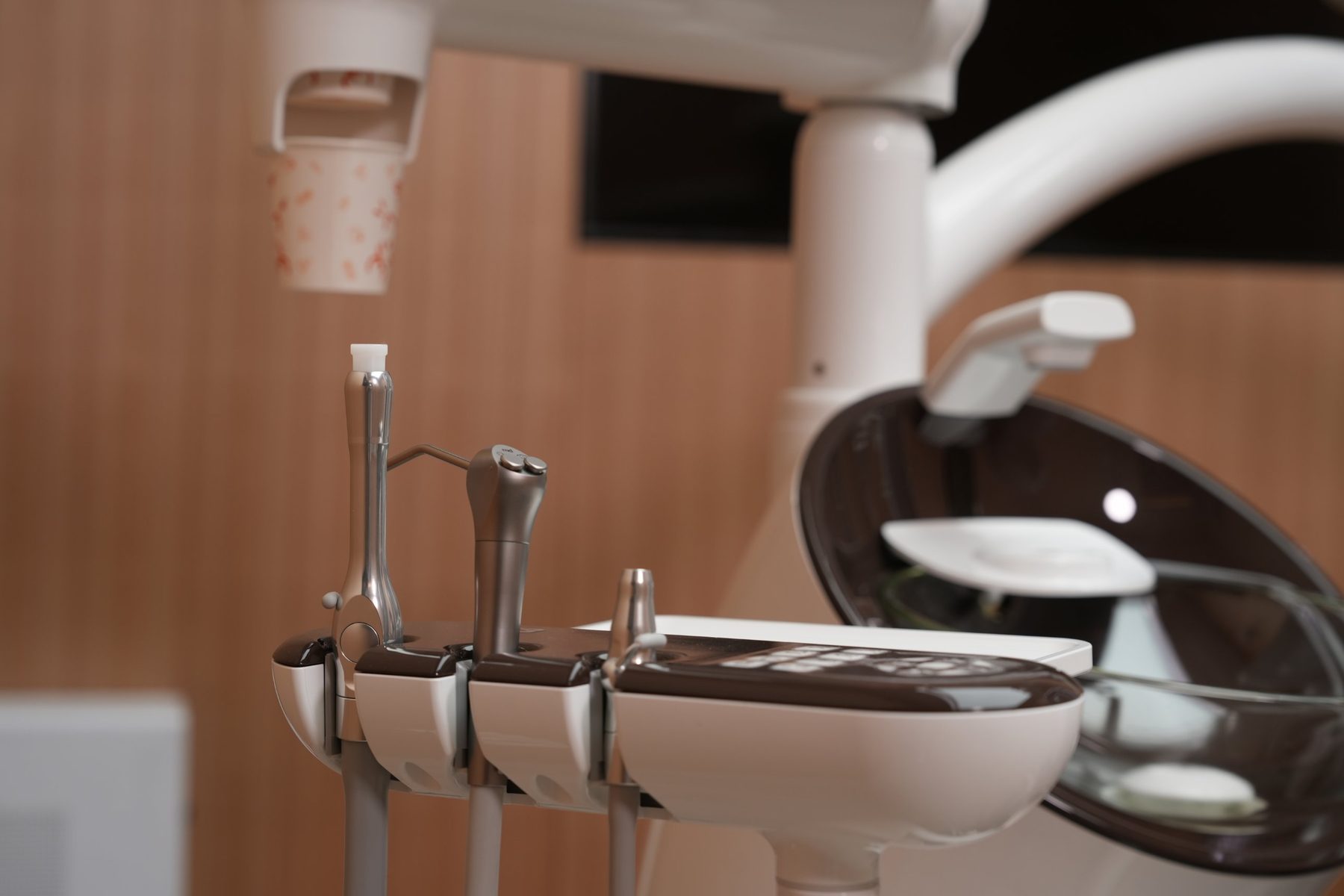
Treatment unit at Heal Dental Hospital, Seoul. Photo: Heal Dental Hospital.
Why this matters right now
Between December 2025 and August 2026, two patients died during implant procedures at the same Gangnam dental clinic, according to reporting by the Hankook Ilbo and the Kyunghyang Shinmun. The police investigation is ongoing and no cause has been established, so we will not speculate about what went wrong.
What the coverage did make clear is that the rules are being questioned. Reporters noted that mandatory reporting of serious patient-safety incidents currently applies only to larger hospitals, and in October Gangnam District asked the national government and the National Assembly to set facility and equipment standards for procedures done under sedation. In other words, the system is still catching up. A careful patient does not have to wait for it to.
Treat the label as question one and keep going. These are the questions that actually separate one provider from another:
Which category are you licensed under? Clinic or hospital, and can you tell me in writing?
Who gives and monitors sedation? A named person, and not the same person doing the surgery.
What is monitored? Oxygen saturation, heart rhythm and blood pressure are the basics.
What emergency equipment is in the room? And has the staff trained with it?
Where would I be taken in an emergency? A specific hospital, not "a nearby one".
If the answers come quickly and specifically, you are probably talking to a team that has thought about this before. If they get vague, that is information too. Our guide to sedation questions to ask before you say yes goes through these one by one.
One example: Heal Dental Hospital
Heal Dental Hospital (연세힐치과병원) in Gangseo-gu, western Seoul, was recently upgraded from clinic to dental hospital status. Heal Dental Hospital is a KoreMed client. Information about the hospital comes from the hospital's own statements. The hospital states that an anesthesiologist is present during IV sedation, that oxygen saturation and ECG are monitored throughout, that an AED and emergency oxygen are kept on site, and that a nearby hospital is designated for emergency transfer.
We are passing those statements along as the hospital's own, not as our verification. If you are considering treatment there, ask for them in writing, the same way you would ask any provider.
Frequently asked questions
Is a dental hospital in Korea safer than a dental clinic?
Not automatically. The two are different legal categories with different opening requirements, but safety depends on the specific team, equipment and procedures. Ask about sedation monitoring and emergency planning rather than relying on the label.
Does a Korean dental hospital have to have 30 beds?
In the current text we read, the 30-bed requirement is written for general hospitals and Korean-medicine hospitals, not for dental hospitals. Check Articles 3 and 3-2 of the Medical Service Act on the official portal for the latest wording.
How do I check which category a Korean dental provider is in?
Ask the provider directly and request the answer in writing. Their Korean name will usually include 치과의원 (clinic) or 치과병원 (hospital).
Does the clinic or hospital label say anything about price?
No. Price tells you what is included in a quote. It does not tell you who will be in the room or how you will be monitored.
Sources
Medical Service Act of Korea (의료법), Articles 3 and 3-2, version in force from April 7, 2026. Read on the official portal before relying on this summary. Link
Hankook Ilbo, "서울 강남 '임플란트' 치과, 8개월 새 2명 사망", August 26, 2026. Link
Kyunghyang Shinmun, "강남 치과 '7개월 새 2명 사망'…강남구, 정부·국회에 제도 개선 건의", October 7, 2026. Link
Heal Dental Hospital: licensing history and safety measures as stated by the hospital.
Send us the name of the dental provider you are considering. We will ask them directly about their license category, sedation setup and emergency plan, and send you the answers in writing.
KoreMed Consulting Group, Inc. is a marketing and consulting agency, not a licensed medical provider, and does not give medical advice. Heal Dental Hospital is a KoreMed client. Information about the hospital comes from the hospital's own statements. Treatment suitability, outcomes and costs vary by individual and can only be determined by a licensed dentist after examination. News reports cited describe an ongoing investigation; no findings have been made.